My university started at like 9 in the morning, I had just two classes or so. And then two o'clock, I was going to the restaurant, going to the kitchen, helping the chef prepare Italian food. By five o'clock, which the restaurant was open for evening, I was a waiter going serving.
Then one day, the Spanish chef and Italian owner, they had argument. They had a kind of fight. And the Spanish chef left, he quit.
So the Italian owner said to me, ‘There is nobody in the kitchen. The ladies in the kitchen can cook but they cannot read the order in English and they cannot order food from suppliers.’
‘So you go to the kitchen.’
And that's how I went to the kitchen, learned Italian cooking from the two ladies, and then, uh, I was kind of chef in that kitchen. I think after two years from that date, I I opened my first restaurant, which was named Mr. Cappuccino.
You know, the barrier is not only for language, it's not just a skill. Because if you want to go start your own business, you need the capital, stuff like that.
My first loan for the restaurant was government small business loan, which is a loan that the federal government provides you.
It's still available today, but much harder. [Back then,] you have to guarantee only 25 percent of that loan, so it's easier. Or you get it from a financial institution. I got that loan to start my bigger restaurant.And there was always challenges, but today it's different. You know, today challenges, I think there's more challenges. It's harder. At that time, there was much more independent restaurants—Mom and Dad restaurant type of thing. Today, there's so many chains. It’s hard to compete with a chain because the chain has a lot of money [to promote].

Fred - Pasta Polo
During that time, promotion was different. There was no Internet there was no social media, so relationships and word of mouth was very important. [And so] today, with all these things, you have to promote yourself in different ways. My best supporter was always community. This restaurant still gets help from the community because I take care of the community.
Even when I'm successful, I do not forget my background. I do not forget other people." - Fred, Founder
We gratefully acknowledge the financial support of the Province of British Columbia through the 150 Time Immemorial Grant Program.
More Stories
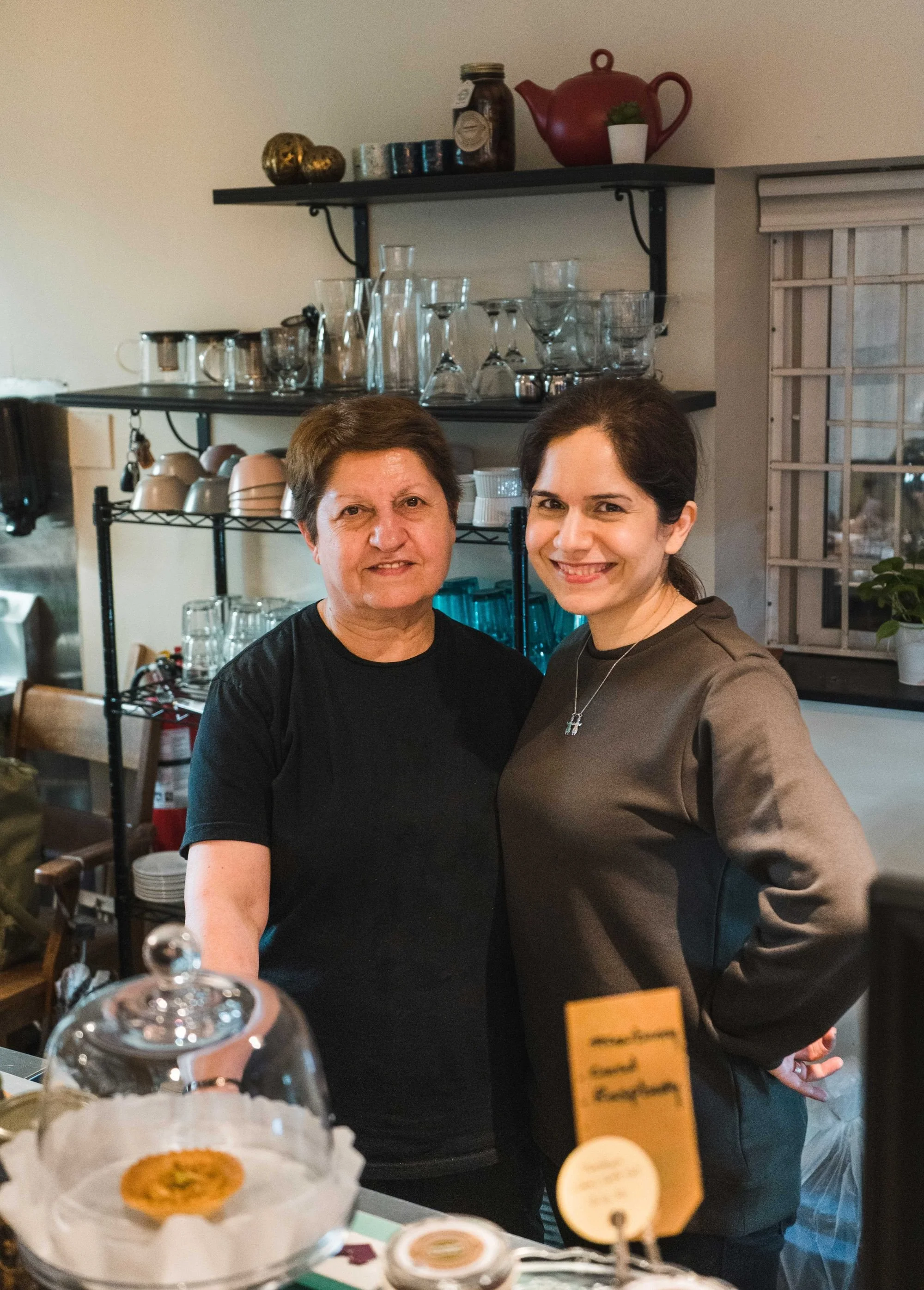
Behavar's journey from Iran to Vancouver embodies courage, resilience, and the power of choice through food and freedom.

Mo and Zeynep’s journey from Egypt and Turkey to Vancouver is a story of resilience, culture, and connection - found one coffee cup at a time.

In Vancouver’s Chinatown, Kam Wai Dim Sum honors family legacy, resilience, and cultural pride with pride - and MSG.

Stephanie's journey across cultures reveals strength in embracing both heritage and belonging.

Phoebe, shaped by displacement - Philippines, Beijing, London - now questions belonging in Vancouver, where home remains a longing, not a place.

Margaretta James, of Filipino and Stl’atl’imx heritage, champions Indigenous education, culture, and wellness in Yuquot, B.C.

Broye Cafe in Vancouver fuses Vietnamese coffee tradition with Japanese pastry artistry, crafting innovative, culturally inspired drinks.

Liza blends Indonesian coffee and culture at Nusa Coffee, connecting communities through flavor and story.

Kape Philippine Coffee celebrates heritage, sustainability, and farmer dignity through every rich, meaningful cup.

Grandmama’s Cafe: A Vancouver sanctuary of love, tradition, and global flavours, where every dish tells a story.

Frederico’s journey from the Philippines to Richmond, BC, led to Smokehouse Sandwich Co. - a humble eatery rooted in family, food, and connection.
Fred’s journey from student to chef began in Coquitlam, fueled by resilience, community, and a belief in second chances.


Cristina’s Rio roots and family coffee legacy inspire Mogiana Coffee, a Vancouver staple bridging cultures through ethically sourced beans.

Chris, rooted in Victoria’s Mennonite heritage, champions inclusivity, affordable housing, and immigrant integration in Vancouver.

Cecilia’s journey across continents reveals a profound connection to heritage, resilience, and the quiet strength of truth and inner balance.

Caroline’s journey from Hong Kong to Vancouver through Beijing and Myanmar is a story of resilience, cultural discovery, and belonging through listening and adaptation.

In Vancouver’s West End, Cha Li 茶里 blends tradition, tea rituals, and connection in a serene haven.

Saba Foods, a vibrant tribute to Yemeni cuisine in Vancouver, celebrates resilience and tradition with every bold, story-rich dish.